July 14, 2026
We explore the lifespan of a new HVAC system, outlining the main factors that impact longevity and the maintenance habits that help equipment run efficiently for years. A new system is a major investment, so understanding how each part works can help homeowners make better decisions before and after installation.
Understanding HVAC System Components
The heating components of an HVAC system often include furnaces, boilers, or heat pumps. These parts generate warmth and distribute it throughout the home during colder months. Furnaces heat air and move it through ducts, while boilers heat water for radiators or radiant floor systems. When these components are made with durable materials and installed properly, they can support steady performance for many years.
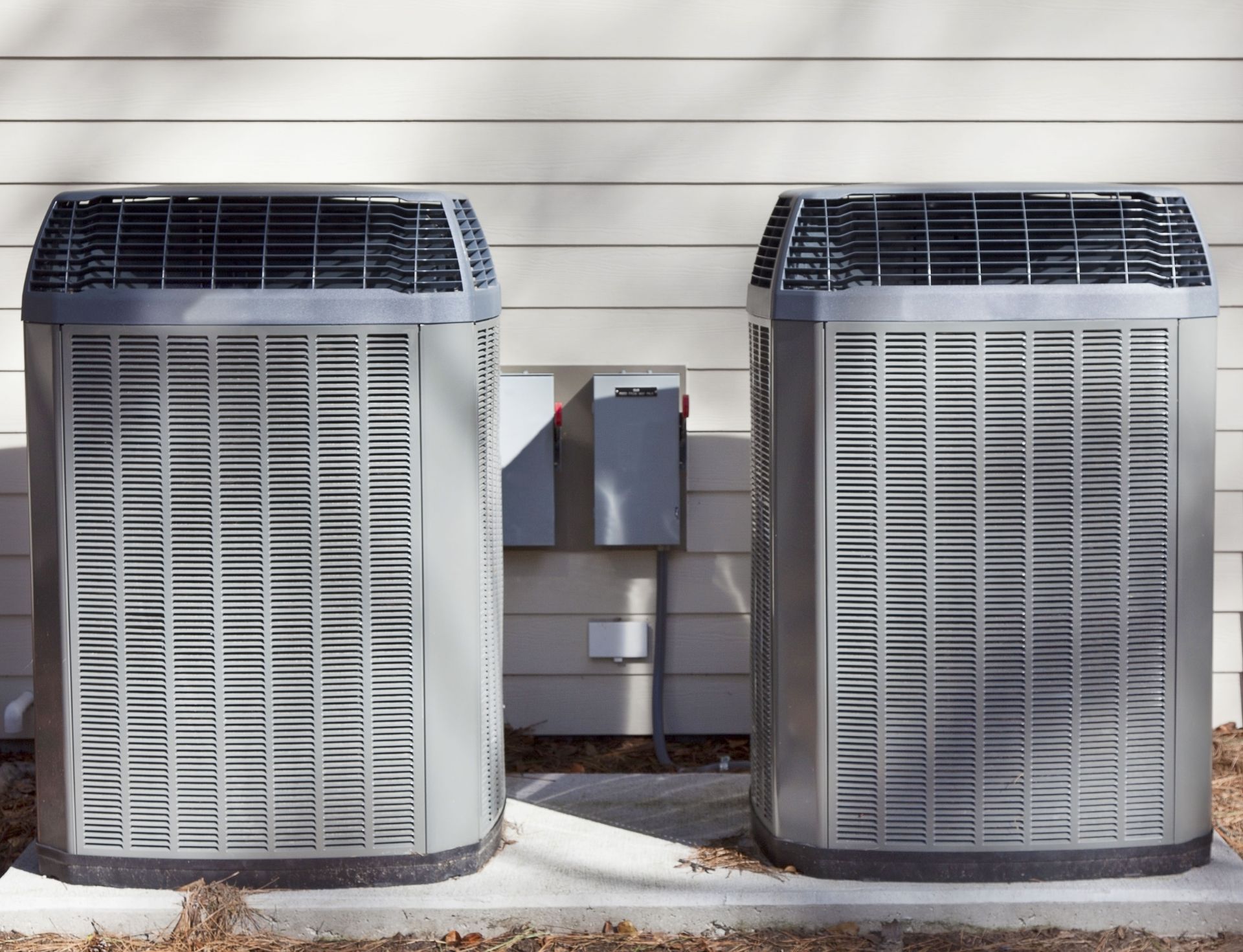
Cooling components include central air conditioners, heat pumps, and ductless mini-split systems. These systems remove heat from indoor air and help maintain comfortable temperatures during warmer seasons. Homeowners often work with air conditioner installers to choose cooling equipment that matches the size, layout, and efficiency needs of the home. Proper sizing matters because a unit that is too large or too small can cycle too often, strain components, and shorten the system’s life.
Ventilation components are also essential because they move conditioned air throughout the home. Ductwork, vents, fans, and blower motors all affect comfort, efficiency, and indoor air quality. Leaky ducts, clogged filters, or dirty vents can force the system to work harder than necessary. Routine cleaning and inspection help reduce airflow restrictions and prevent avoidable wear.
Thermostats and control units act as the command center for the HVAC system. Smart thermostats can improve efficiency by adjusting temperatures based on household schedules and usage patterns. These controls reduce unnecessary operation, which helps limit stress on heating and cooling equipment. When air conditioner installers set up compatible controls correctly, homeowners can often improve comfort while lowering energy use.
Average Lifespan of HVAC Systems
Most HVAC systems last about 15 to 20 years with proper maintenance. According to This Old House, HVAC systems typically last between 15 to 20 years with proper maintenance, reinforcing how regular service plays a major role in long-term performance. Central air conditioners commonly fall within this range, especially when coils are cleaned, refrigerant levels are checked, and filters are replaced regularly. As systems age, homeowners may notice higher energy bills, uneven cooling, louder operation, or more frequent repairs. These warning signs can suggest that replacement is becoming more practical than continued service.
Heat pumps also tend to last around 15 to 20 years, though their lifespan can vary based on climate and usage. Because heat pumps provide both heating and cooling, they may run throughout much of the year. This makes consistent maintenance especially important. Regular inspections, clean coils, and proper refrigerant levels help preserve efficiency and reduce strain.
Furnaces can also provide many years of reliable service when cared for properly. Annual inspections help technicians check burners, heat exchangers, airflow, and safety controls. Replacing filters on schedule is one of the simplest ways to protect a furnace because restricted airflow can cause overheating and performance issues. In colder regions, furnaces may require more frequent attention due to heavier seasonal use.
Boilers are known for durability and may last longer than some forced-air systems when maintained well. Because they rely on water or steam, regular checks for pressure, corrosion, leaks, and mineral buildup are important. Ductless mini-split systems can also last 15 to 20 years when filters, indoor heads, and refrigerant lines are kept in good condition. Air conditioner installers can help determine whether a ductless system is suitable for homes that need zoned comfort or lack existing ductwork.
Factors That Affect HVAC Longevity
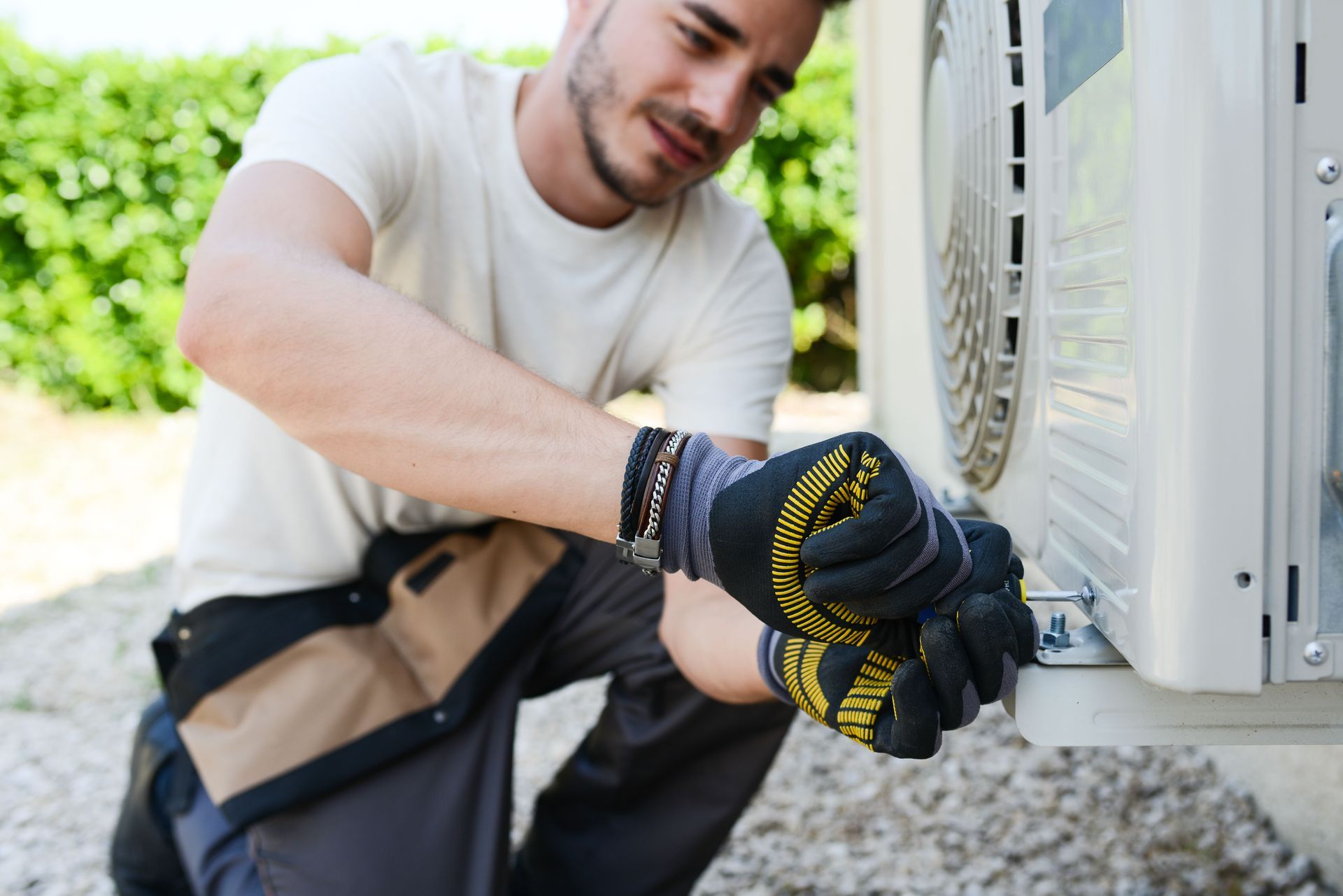
Installation quality is one of the biggest factors affecting system lifespan. A poorly installed system may suffer from airflow problems, incorrect refrigerant charge, faulty electrical connections, or unnecessary cycling. Skilled air conditioner installers understand how to match equipment capacity to the home’s square footage, insulation, windows, and climate needs. This careful planning helps the system operate efficiently from the start.
Frequency of use also plays a major role. Systems in very hot or very cold climates often run for longer periods, which increases wear. Homes with poor insulation, air leaks, or old windows may also force HVAC equipment to work harder. Improving insulation, sealing gaps, and using programmable settings can reduce demand and help the system last longer.
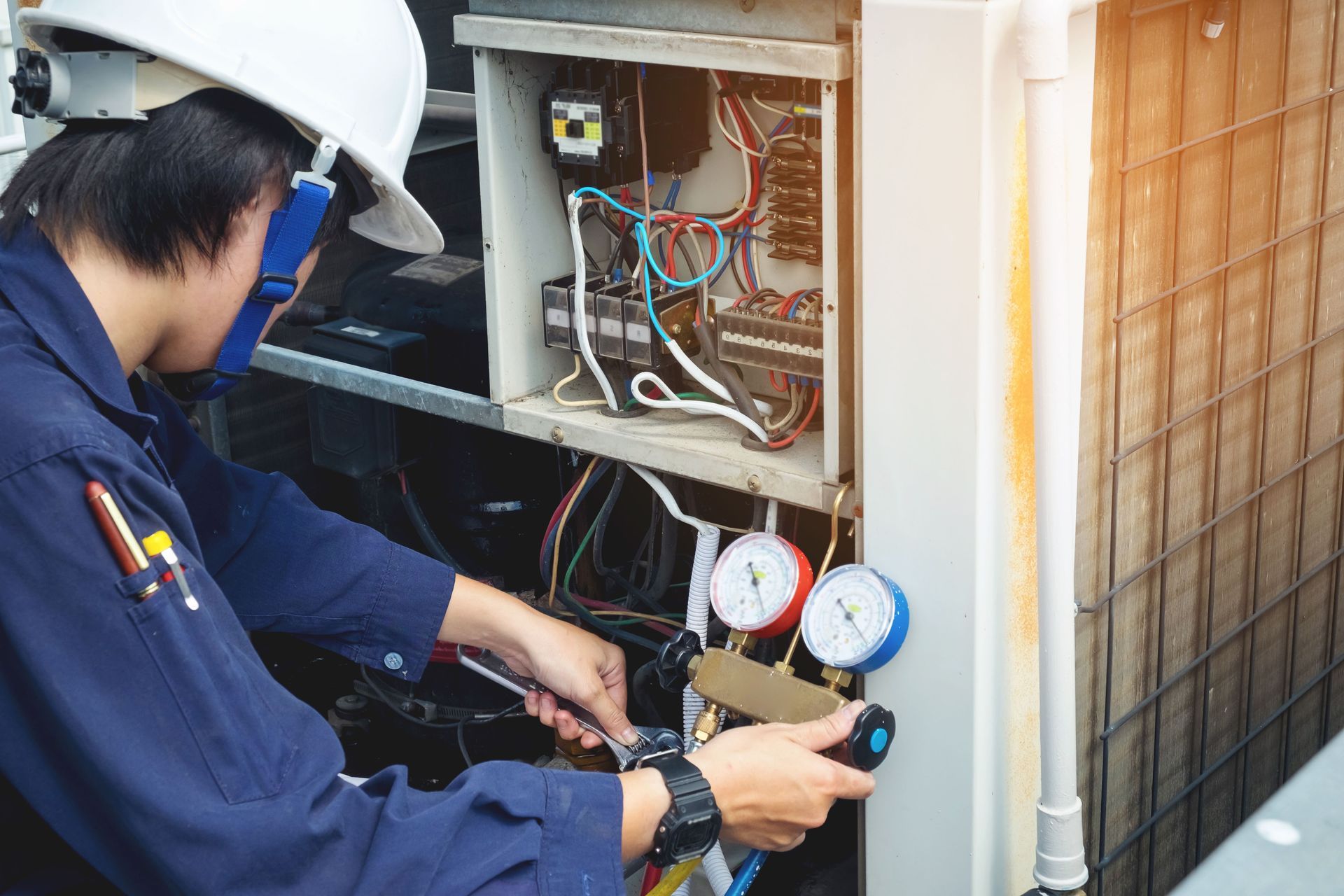
Maintenance habits are equally important. Homeowners should replace filters regularly, keep outdoor units clear of leaves and debris, and schedule professional inspections. During a service visit, technicians can clean components, test electrical connections, check refrigerant levels, and identify worn parts before they lead to larger failures. These small steps can prevent costly repairs and help preserve system efficiency.
Indoor air quality can also influence HVAC performance. Dust, pet hair, humidity, and clogged filters can affect airflow and make equipment work harder. Homes with high humidity may benefit from dehumidifiers or improved ventilation. Cleaner air reduces buildup inside the system and helps components function more smoothly.
When Replacement Becomes Necessary
Even with excellent care, every HVAC system eventually reaches the end of its useful life. If repair costs are rising, energy bills are increasing, or comfort is inconsistent, replacement may be the better long-term choice. A newer system can offer better efficiency, quieter operation, and improved temperature control. Air conditioner installers can assess the current system and recommend options that fit the home’s needs.
Homeowners should also consider replacement when an older system uses outdated refrigerant or struggles to meet demand during peak seasons. Newer models often include higher efficiency ratings and improved technology. These upgrades can reduce operating costs while creating a more comfortable indoor environment.
How to Extend System Life
Extending HVAC lifespan starts with consistent care. Changing filters, keeping vents open, clearing the outdoor unit, and scheduling annual service can make a significant difference. Homeowners should also pay attention to warning signs such as strange noises, weak airflow, water leaks, short cycling, or uneven temperatures.
Working with qualified air conditioner installers during replacement or major upgrades helps ensure the system is correctly selected and properly installed. Professional guidance can prevent sizing mistakes and improve long-term performance. Once installed, following the manufacturer’s maintenance recommendations helps protect the investment.
Benefits of Preventive Service Plans
Preventive service plans can be one of the most effective ways to protect an HVAC investment over the long term. Many homeowners wait until something goes wrong before calling for service, but this reactive approach often leads to more expensive repairs and unnecessary system strain. Scheduled maintenance allows technicians to identify worn belts, loose electrical connections, dirty coils, or refrigerant issues before they develop into major failures. Catching these problems early can significantly reduce downtime and improve system reliability.
Service plans also help maintain energy efficiency throughout the year. When equipment runs with clean components and properly calibrated settings, it requires less energy to heat or cool the home. This can lead to noticeable savings on monthly utility bills, especially during peak summer and winter seasons. Regular tune-ups also help ensure airflow remains balanced, improving comfort in every room. Many air conditioner installers recommend maintenance agreements because they encourage consistent care and reduce the likelihood of emergency breakdowns during extreme weather.
A new HVAC system can last many years when homeowners prioritize quality equipment, proper installation, and routine maintenance. While most systems are expected to serve for about 15 to 20 years, strong care habits may help equipment reach or even exceed that range. With help from experienced air conditioner installers and a commitment to regular upkeep, homeowners can enjoy reliable comfort, better efficiency, and greater peace of mind.